Ancient Athenian Democracy

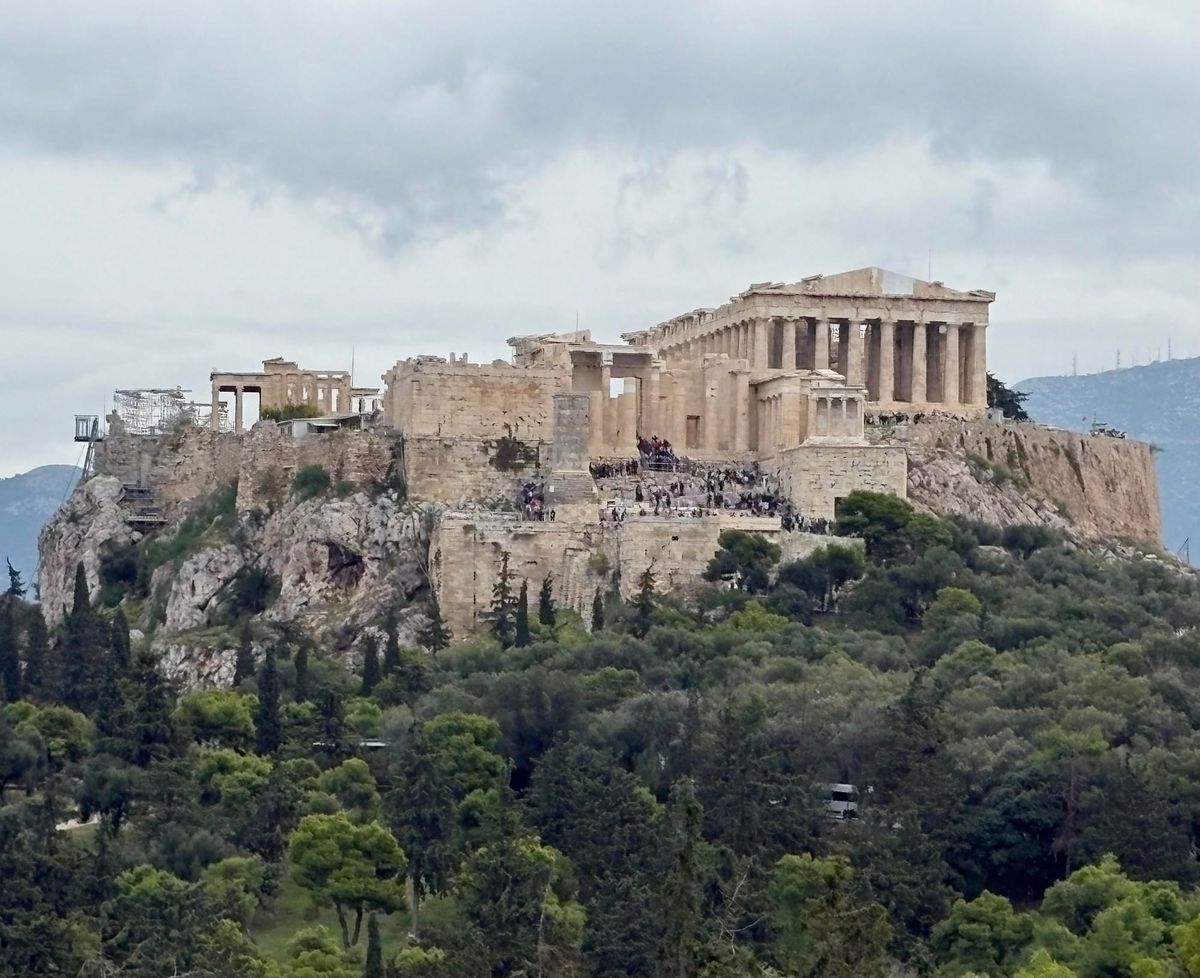
Greetings from Athens! Let's walk and talk about ancient democracy.
But first, a detour through England. In 1947, Winston Churchill famously declared that "Many forms of Government have been tried, and will be tried in this world of sin and woe. No one pretends that democracy is perfect or all-wise. Indeed, it has been said that democracy is the worst form of Government except all those other forms that have been tried from time to time..."
On Saturday, we toured parts of ancient Athens with a private guide. We talked a lot about democracy, both in ancient Greece and now. On Sunday, we visited the Acropolis of Athens (pictured above), an ancient citadel above the city on which sits the Parthenon and other historical structures.
Western style democracy started in Athens in 594 BC when Solon, one of the Seven Sages of Greece, developed the Ecclesia of Athens. At the Ecclesia, a recurring public assembly, all male citizens could attend and vote: on legislation, matters of war, military strategy, election of generals, election of magistrates and other officials. Back then, Athens was a city/state with a small enough population that such an arrangement was manageable.
The Ecclesia required citizens to attend and conduct business at the agora of Athens, a large, open, central public space that included that magnificent Temple of Hephaestus, the Olympian God of fire, blacksmiths, craftsmen, metalworking, stonemasonry and sculpture. We visited the ruins of the agora on Sunday. Walking the grounds and imagining this direct (as opposed to representative) democracy at work over 2,500 years ago was amazing.
Fun fact: We had passed the agora a couple days earlier en route to our Airbnb. The Athens Metro train tracks split the agora, separating one small slice from the rest of it. I asked our guide how that was allowed to happen. It turns out that railroad engineers discovered the long-buried agora while preparing for an extension of the prior railroad in 1891. Subsequent archeological digs over several decades located additional parts of the agora on the opposite side of the tracks.
Athenian democracy was interrupted in 561 BC when Pisistratos and his son ruled as tyrants for 50 years, then returned under Cleisthenes, himself a former aristocrat. Cleisthenes reformed the constitution to increase the power of ordinary citizens, by organizing citizens into ten groups based on where they lived, rather than by their wealth. Cleisthenes also originated the concept of equality under the law. Some historians have granted Cleisthenes the title of "father of Athenian democracy" for these efforts.
In the late 460s BC, Ephialtes pushed further democratic reforms, including reduced property qualifications for holding office, public scrutiny of those office holders, a broader definition of citizenship, and judicial functions. When he was assassinated at the whim of offended oligarchs in 461 BC, his deputy Pericles took over.
Pericles led Athens, then a city/state, for the next 32 years. The Age of Pericles included support for the arts and literature that made Athens the cultural center of the ancient Greek world. He also initiated the design and construction at the Acropolis, including the Parthenon.
Born into a wealthy and prominent family, Pericles became such a populist that he proposed generous wages for public servants and allowed the poor to attend theatrical plays without paying. A law limiting citizenship to persons with two Athenian parents backfired spectacularly when Pericles married Aspasia, a non-Athenian, and their son was ineligible for citizenship until that law was changed.
While Pericles' promotion of democracy and association with the development of the Parthenon and other monuments on the acropolis earn him a lasting historical legacy, his overall record was a mixed bag. In addition to the restrictive citizenship law, he oversaw several failed military campaigns and some consider his use of allies' funds to finance the acropolis to be one of the largest embezzlements in human history.
Another interruption to Athenian democracy occurred following military losses during the Peloponnesian War. The Athenian coup of 411 BC set up the Council of 400 – a formalized oligarchy upset that wealthier families bore a disproportionate share of the financial burdens of war – that lasted just four months. That's how long it takes to realize oligarchs suck at running the government.
Refer back to Winston Churchill's quote at the top of this post.
Democratic regimes governed again for several years until Athens surrendered to Sparta in 404 BC and the government was placed in the hands of pro-Spartan oligarchs known as the Thirty Tyrants. During their eight months in power, the Thirty Tyrants killed of 5% of the Athenian population, confiscated citizens' property and exiled many democratic supporters.
Again, please refer back to Winston Churchill's quote at the top of this post.
After pro-democracy elements regained control from the Spartan oligarchs, democratic forms of government continued until the Macedonian army of Phillip II conquered Athens in 338 BC.
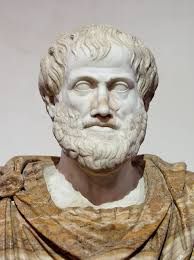
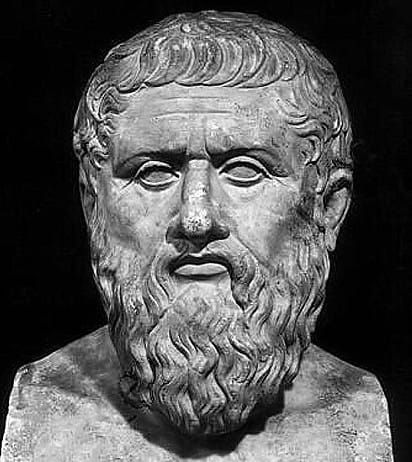
As Churchill reminds us, democracy had many problems, like the influence of mob mentality and hurried decision-making that could be reckless or arbitrary. Athenian democracy lacked the built-in checks and balances that the U.S. has in theory if not in current practice. Oligarchs hated democracy and their views were even echoed by prominent philosophers such as Plato and Aristotle (yes dear, all of our heroes have flaws), who criticized democratic rule as a system whereby the poor, being more in number, tyrannize the rich.
"You’re going to have people voting the wrong way..." (Oh wait, that's not Plato or Aristotle speaking; its the current U.S. President. So sorry, sometimes it's hard to tell the difference between the pro-oligarchs of ancient times and those of today.)
But it's cool, I guess, as modern Greece returned to democracy in 1974.
By the numbers:
1 person, 1 vote. Use it!
4 months that Elon Musk led the U.S. "Department of Government Efficiency," the same length of time the Council of 400 oligarchs ruled Athens in 411 BC.
256 years that ancient Athenian democracy lasted, from 594 BC to 338 BC. Dang!
6,000 minimum number of citizens (i.e., quorum) required to attend sessions of the Ecclesia for new laws to pass
If you see this via social media and don't want to miss a post, please subscribe below.